
What to Wear on a Ski Vacation in France? You step off the transfer bus in Meribel, and the cold hits instantly. Minus twelve, wind funnelling between the chalets, and your thin puffer already feels like tissue paper. Every packing decision you made at home suddenly looks foolish.
Dressing well for a week in the high Alps, particularly across a vast domain like the 3 Valleys, goes far beyond looking good on the slopes. It's about performance and genuine comfort, from the first lift to the last run. The right gear matters just as much as sorting your lift pass before you reach 600 km of interconnected slopes.
So, here's what actually keeps you warm without overheating: the layering system, outerwear built for Alpine weather, the accessories that make or break a day, and what to throw on once you swap your boots for a cocktail in Courchevel.
The three-layer system every skier needs
The base layer, mid-layer and outer shell each handle a distinct job. Your base wicks moisture away from the skin. The mid-layer traps body heat. The outer shell keeps the weather out. Remove one element and the whole system falls apart.
Breathable, technical fabrics beat cotton in every scenario. Merino wool regulates temperature naturally, resists odour and feels soft against the skin. Synthetic blends dry faster after a sweaty mogul session, which makes them a strong alternative for high-intensity skiers.
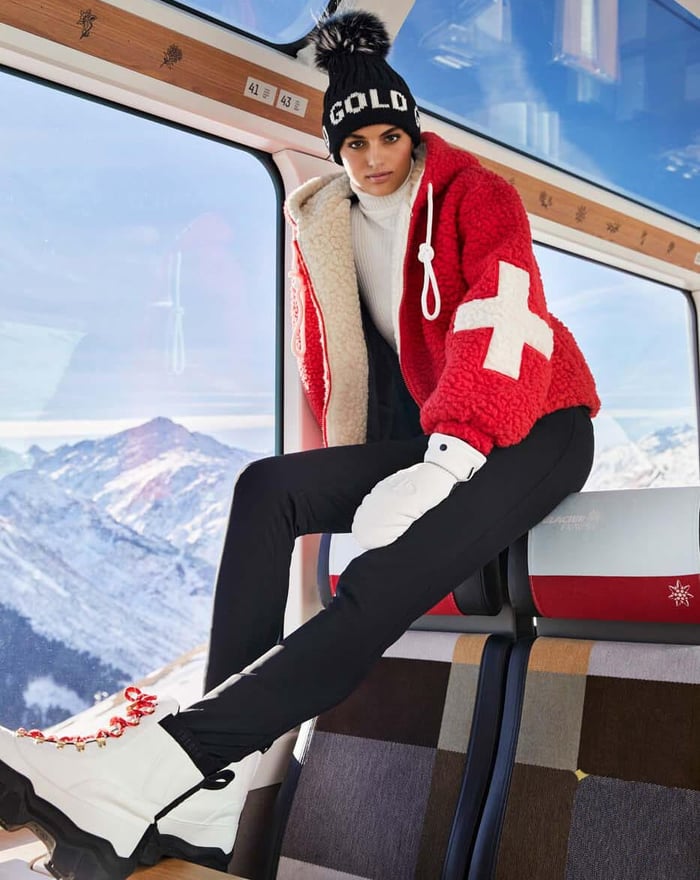
Altitude in the 3 Valleys reaches 3,230 m. At that height, wind chill can drop the perceived temperature dramatically, and conditions shift within minutes. A reliable layering strategy keeps you adaptable rather than frozen on an exposed chairlift. Performance brands like Goldbergh, Poivre Blanc and Fusalp now engineer flattering cuts with technical fabrics, so sacrificing style for warmth is no longer part of the deal.
Ski jackets and trousers built for the French Alps
Your Official 3 Valleys lift pass opens up terrain across three valleys, several altitudes and some wildly different weather pockets. Your outerwear has to cope with all of it, from bluebird mornings to whiteout afternoons, which is why the specifics of what you buy really do matter.
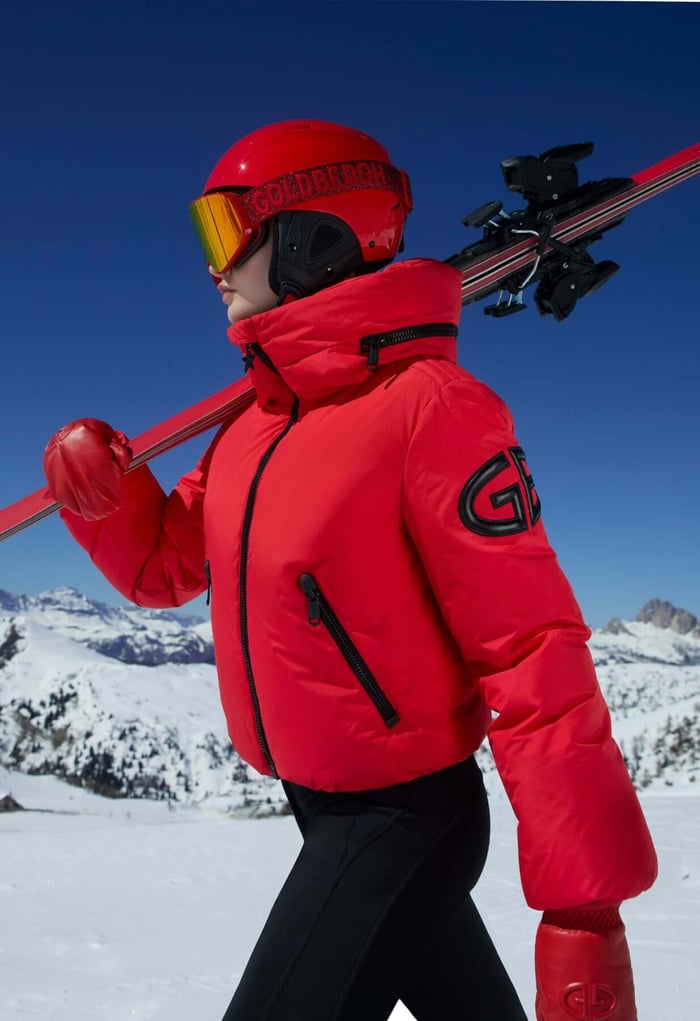
Look for a waterproof rating of at least 10,000mm, fully taped seams, a snow skirt and ventilation zips for warmer traverses. These features separate a genuinely functional jacket from a fashion piece that gives up above 2000m.
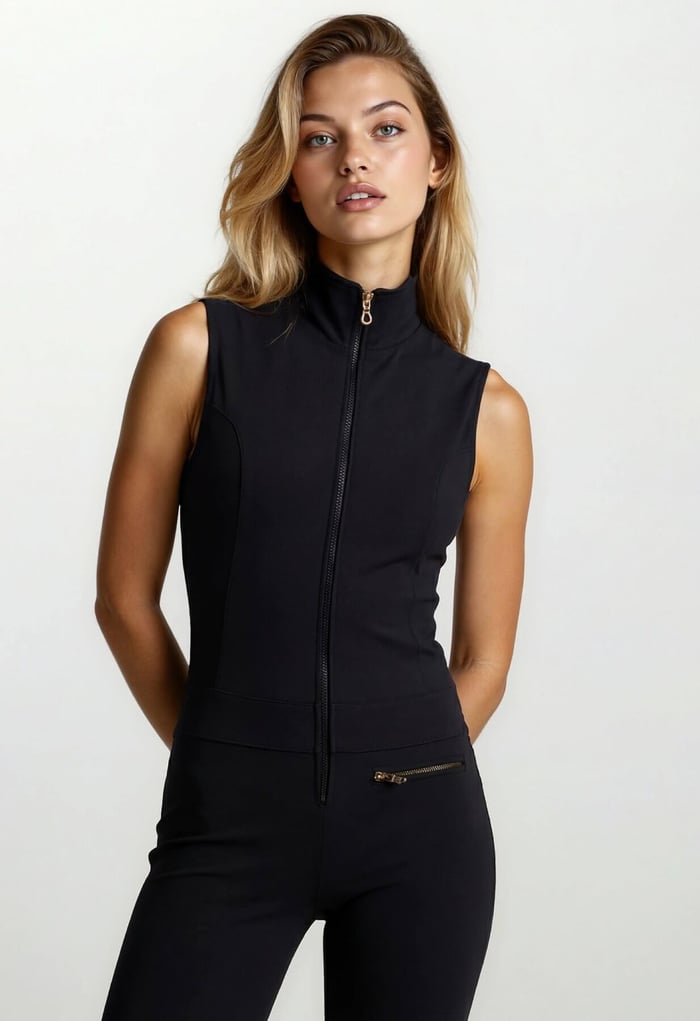
Ski trousers versus salopettes stays a personal choice. Salopettes cover the torso, seal out powder during falls and add real core warmth. Standard trousers offer more freedom and faster bathroom stops, though they may leave a gap at the waist if your jacket rides up.
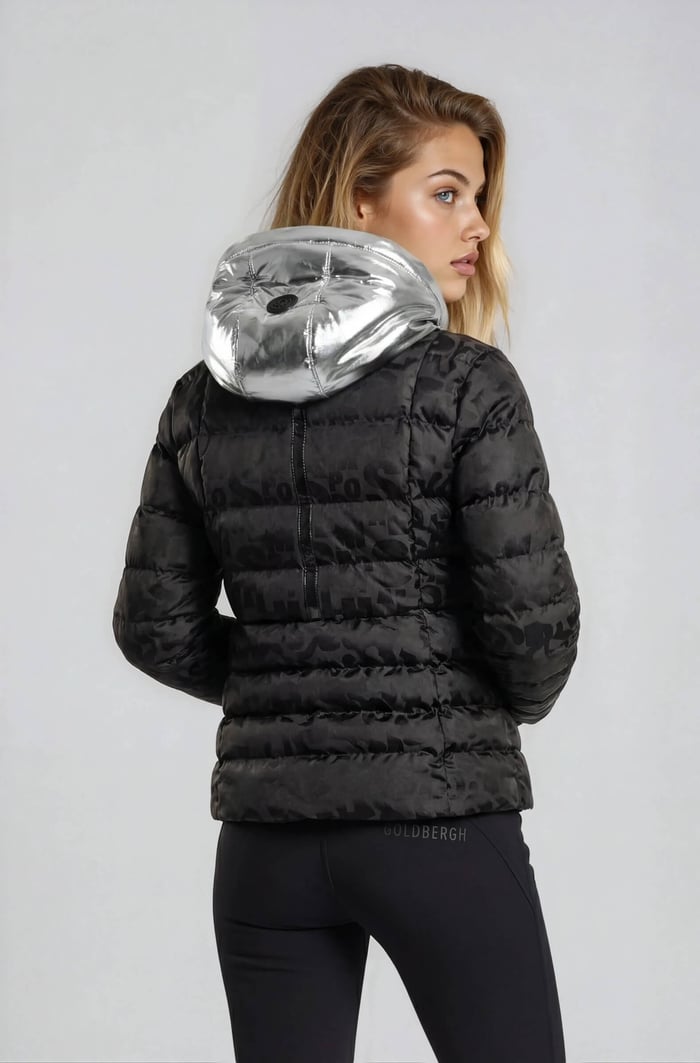
On colder days at Val Thorens or in the higher bowls, a down-filled jacket with a faux- fur trimmed hood gives you serious insulation without the bulk. Stretch fabrics matter too, because long days linking valley after valley demand freedom of movement. Brands stocked at Winternational (Goldbergh, Nikkie, Poivre Blanc) pair high-performance membranes with designs that actually flatter.
Essential ski accessories for slope and summit
Accessories seem minor until you forget one. A morning without proper goggles or warm gloves can end your ski day by lunchtime, so it's worth treating these small items with the same care you give your jacket. They're the difference between a comfortable day and a miserable one.
Alt*ego Disco Ski Goggle in Silver Shimmer

£339.00
£421.00
Stunning silver ski goggles with genuine Swarovski® crystals on the outer circumference. These silver ski goggles for women are called Disco and have a frameless cylindrical silver lens for a dynamic look on the ski slopes. The black headband features… read more
Battery-heated gloves and mittens fix one of skiing's most stubborn problems, frozen fingers on an exposed chairlift. They deliver targeted warmth for hours, and modern versions stay light enough to keep you dexterous on your poles. Neck warmers and headbands handle changeable weather more gracefully than a full balaclava. Pull them up for a windy summit, tuck them down for a sheltered blue.
Albus & Flora Lip Balm in Sheer Flora

£18.00
Albus and Flora sheer flora is a sheer tint to enhance the colour of your lips naturally whilst protecting too. This nourishing, anti-oxidant, vitamin and omega rich plain lip balm with broad spectrum UVA and UVB protection and SPF 30… read more
One thing most skiers leave at home: SPF lip balm with UVA and UVB protection. Wind, cold and reflected UV better your lips all day. A balm with vitamin E prevents the painful cracking and windburn that can linger after the holiday ends.
Base layers and thermals that work all day
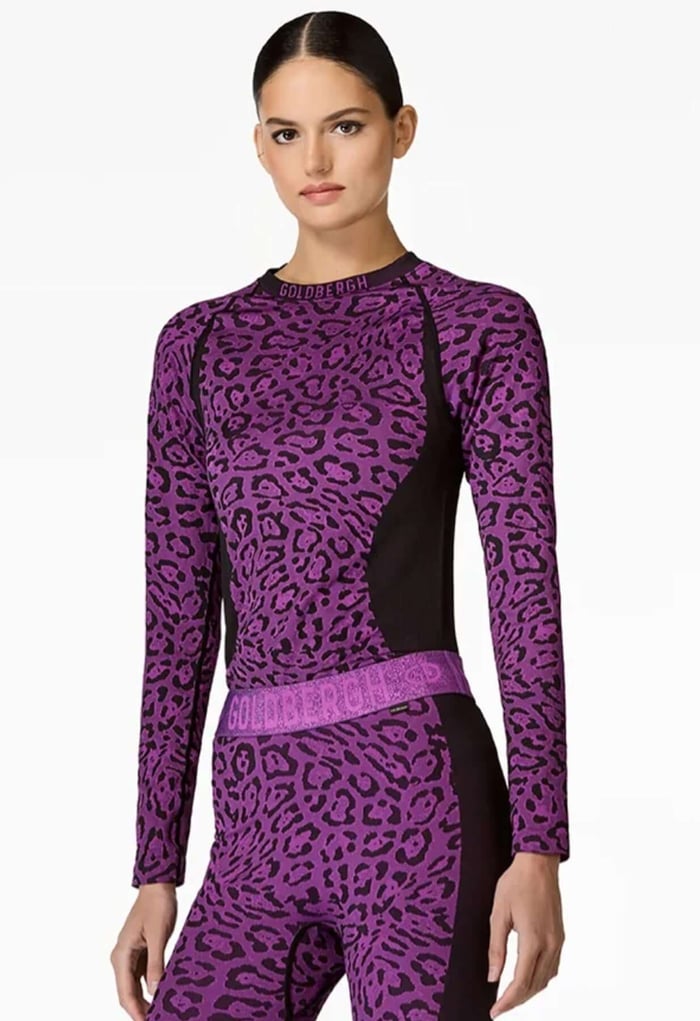
The base layer sits closest to your skin, and arguably does more than any other garment you'll pack. It shifts sweat during effort and holds warmth on a static chairlift. Get it wrong and you'll feel the post-run chill that quietly ruins an afternoon. Get it right and you barely think about it all day.
Half-zip thermals give you quick temperature control mid-run. Unzip on a steep descent, zip back up on the six-seater. Flat-lock seams stop the chafing under salopettes, which really shows up on longer days when the fabric rubs for hours.
Goldbergh Lunaria Ski Base Layer in Red with Gold Stars

£78.00
£159.00
Turn heads on the slopes with the Goldbergh Lunaria Ski Pully in Red. This vibrant base layer blends technical performance with playful, luxurious style as it features a star pattern all over the outside. Isn't this the perfect ski base… read more
The merino versus synthetic debate comes down to your priorities. Merino resists odour naturally and stays warm even when damp. Synthetics dry noticeably faster, which suits skiers who perspire heavily or ski in spring slush. Designer base layers from High Society and Goldbergh double as smart après-ski tops, so you can peel off your outer layers and walk straight into a mountain restaurant without changing.
Après-ski and off-slope outfits
Courchevel 1880 and Méribel village host a lively après-ski scene. What you wear off the slopes carries real weight, especially if you're heading from a terrace bar to dinner in the same evening.
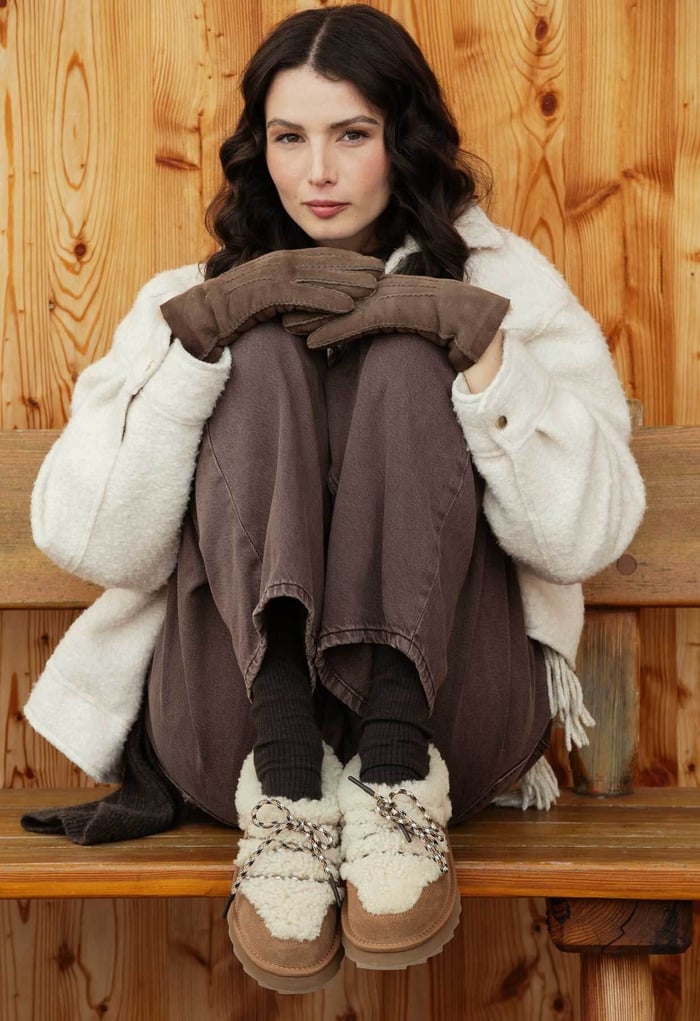
Warm winter boots with solid grip handle icy village streets without turning every pavement into a hazard. Look for insulated soles and a tread built for compacted snow. Belt bags and crossbody bags keep your hands free for carrying drinks, holding poles or skis.
Going from slope to dinner doesn't call for a full outfit change. A quality merino base layer under a puffer gilet or cashmere knit looks polished enough for most resort restaurants. And a few activewear pieces that work for yoga,, the hotel gym or a casual stroll round out a versatile suitcase without adding bulk.
Dressing for the 3 Valleys' unique conditions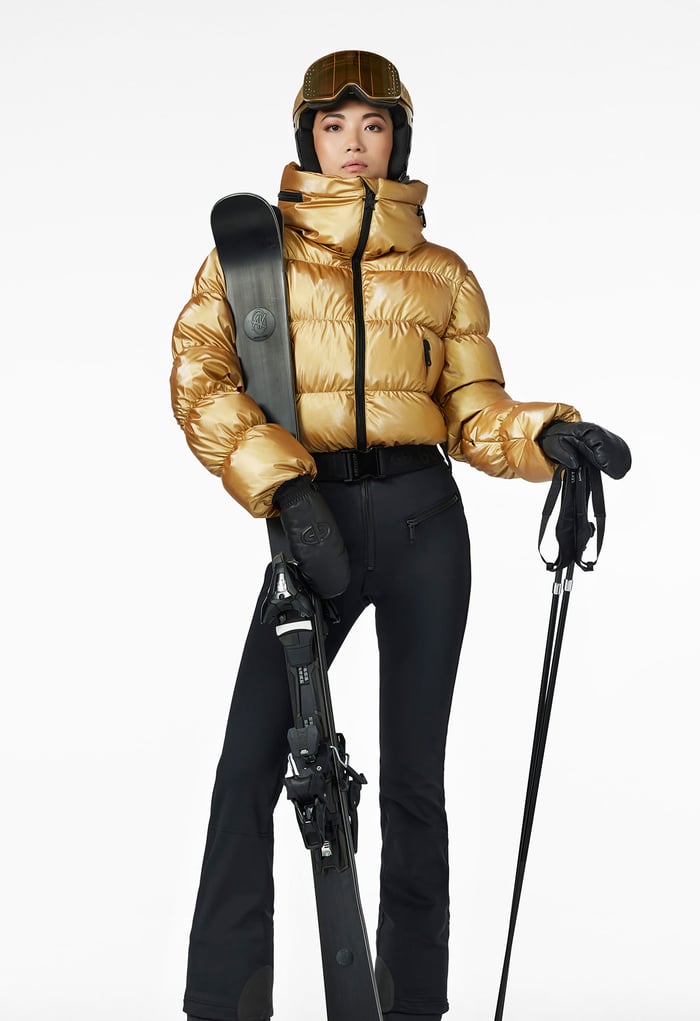
The 3 Valleys links seven resorts across three distinct valleys, and each valley carries its own micro climate. Knowing that shapes what goes in your bag.
Val Thorens sits at 2,300 m on an exposed plateau. Wind funnels though the resort and across its upper slopes with real force. Prioritise wind-resistant outer layers, full face coverage and insulated gloves rated for extreme cold. Lower down, a resort like Brides-des-Bains (600 m) can feel remarkably mild, especially on a sunny February afternoon. Layering flexibly lets you strip down without lugging dead weight around in a backpack.
With 600 m of terrain on your lift pass, you're moving between altitudes constantly throughout a single day. Adaptable clothing isn't a luxury here": it's a practical necessity.
Many modern jackets now include a dedicated pass pocket on the lift sleeve for hands-free scanning at the gates. Check for it before you buy, because fumbling through five zipped pockets while a queue builds up behind you gets old fast.
The complete ski holiday packing checklist
- Waterproof ski jacket (10,000 mm rating)
- Ski trousers or salopettes
- Lightweight packable down jacket (mid-layer or evening wear)
- Puffer gilet for layering versatility
- Two or three moisture-wicking base layer tops (merino or synthetic)
- Matching thermal leggings
- Half-zip thermal for temperature regulation
- Ski goggles with UV and anti-fog lenses
- Helmet
- Insulated gloves or battery-heated mittens
- Neckwarmer and headband
- SPF lip balm (UVA/B, vitamin E)
- Ski socks (two pairs minimum, avoid cotton)
Before you start packing, a few common questions worth answering
FAQS
What should I wear under my ski jacket in France?
Start with a moisture-wicking base layer in merino or synthetic. Add a mid-layer fleece or a lightweight down jacket for insulation, then your outer shell on top. Adjust that mid-layer to the conditions: lighter for spring skiing, heavier for a January week in Val Thorens.
Do I need different clothing for different resorts in the 3 Valleys?
You don't need entirely separate outfits, but adaptable layers make a real difference. Higher resorts like Val Thorens run colder and windier than Méribel or Courchevel. A versatile layering system lets you add or shed warmth as you travel between valleys throughout the day.
Are designer ski clothes worth the investment for a week's holiday?
Quality ski wear from brands like Goldbergh or Nikkie use high performance fabrics that genuinely improve comfort on the slopes: waterproof membranes, proper insulation, real breathability. Durable construction means these pieces last many seasons, which brings the cost per wear closer to budget gear you'd replace every couple of years.